
November 2026 - Cannabis Concentrate Education - live resin vs cured resin
Live Resin vs Cured Resin: What's the Difference in Processing and Flavor?
Compare live resin vs cured resin, including extraction methods, terpene profiles, flavor differences, potency, and what affects concentrate quality.
By the MedLeaf Editorial Team ·
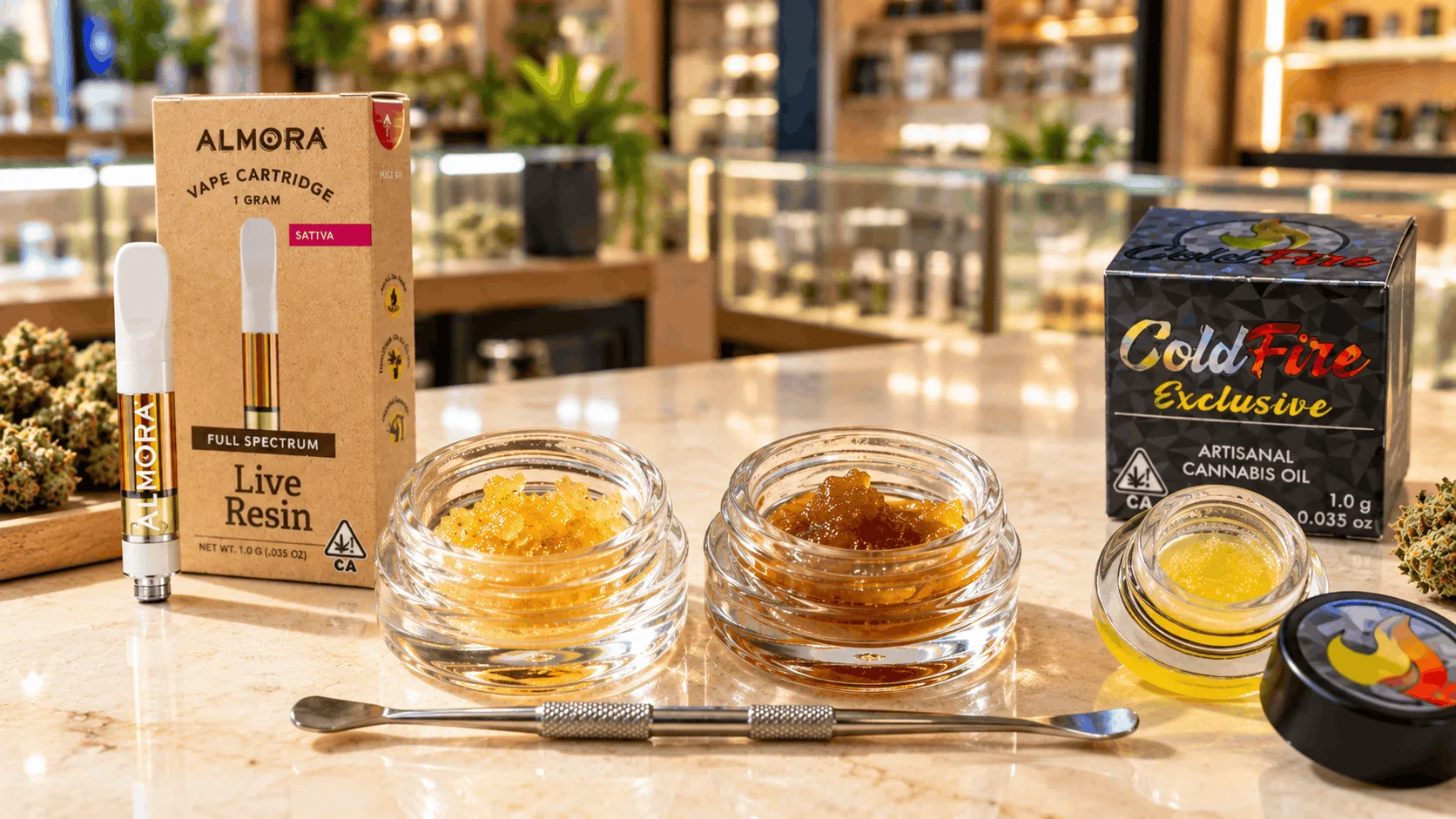
Live Resin vs Cured Resin: What's the Difference in Processing and Flavor?
Fresh-frozen cannabis or traditionally dried flower? That's the big question behind the live resin vs cured resin debate.
Both are cannabis concentrates, and both can contain cannabinoids and aromatic compounds called terpenes. But their production methods begin with different plant materials, which can influence the finished product's aroma, flavor, texture, and chemical composition.
Live resin is generally produced from cannabis that's frozen shortly after harvest. Cured resin typically starts with cannabis that's been dried and cured before extraction.
Does that make one better than the other? Not necessarily.
Let's break down the differences without getting lost in extraction jargon.
TL;DR – Quick Guide
- Live resin: Usually made from fresh-frozen cannabis that hasn't undergone traditional drying and curing.
- Cured resin: Made from cannabis flower that's been dried and cured before extraction.
- Flavor differences: Live resin may retain more of certain volatile aromatic compounds, while cured resin can reflect changes that occur during drying and curing.
- Terpenes matter: These aromatic compounds contribute to cannabis flavor and scent, but their presence doesn't guarantee particular effects.
- Potency varies: Neither concentrate type is automatically stronger; cannabinoid content depends on the specific product.
- Quality depends on more than freshness: Cultivation, processing, storage, and testing all influence the final result.
- Related comparison: The live resin vs rosin guide explains how resin extracts differ from solventless rosin.
Detailed Breakdown
What Is Live Resin?
Live resin is a cannabis concentrate typically produced using plant material that's frozen soon after harvesting.
Instead of going through conventional drying and curing, the harvested cannabis is preserved at low temperatures before extraction.
This approach is intended to retain aspects of the plant's chemical profile that might otherwise change during post-harvest handling.
Live resin may contain:
- THC, CBD, or other cannabinoids
- Terpenes and additional aromatic compounds
- Other cannabis-derived constituents retained through processing
The finished concentrate can appear in different textures, including sauce-like, sugary, or more solid consistencies.
However, the term live resin doesn't guarantee a specific terpene percentage, potency, or flavor quality.
What Is Cured Resin?
Cured resin is a cannabis concentrate produced from dried and cured cannabis material.
Drying removes moisture from harvested flower, while curing involves controlled storage conditions intended to develop and stabilize the material.
During these processes, the plant's aromatic composition can change.
Some volatile compounds may be lost, while chemical transformations can alter the overall aroma.
Once the material is prepared, processors extract cannabinoids and other compounds to create cured resin.
The resulting concentrate may have a different flavor profile from live resin made from the same cultivar.
Live Resin vs Cured Resin: Key Differences
The biggest distinction in live resin vs cured resin is the condition of the cannabis before extraction.
Feature | Live Resin | Cured Resin |
|---|---|---|
Starting material | Fresh-frozen cannabis | Dried and cured cannabis |
Post-harvest preparation | Frozen shortly after harvest | Dried and cured |
Terpene profile | May retain more fresh-plant volatile compounds | Reflects changes from drying and curing |
Flavor | Often described as fresh or plant-forward | May have a more developed or cured-flower character |
THC potency | Varies by product | Varies by product |
Texture | Sauce, sugar, badder, and other forms | Multiple concentrate textures |
Pricing | May cost more because of processing and handling | Often competitively priced, depending on quality |
These are general tendencies rather than guarantees.
A well-produced cured resin may have a more appealing flavor profile than a poorly handled live resin, depending on individual preferences and product quality.
How Does Processing Affect Flavor?
The live resin vs cured resin flavor comparison comes down largely to what happens to the plant between harvest and extraction.
1. Fresh-Frozen Processing
Live resin production begins by freezing harvested cannabis relatively quickly.
Freezing limits some of the changes associated with conventional drying and curing, helping preserve certain volatile aromatic compounds.
As a result, live resin is often associated with flavors described as:
- Bright or citrusy
- Floral
- Herbal
- Fruity
- Fresh or plant-forward
The actual flavor depends heavily on the cultivar and its chemical composition.
2. Drying and Curing
Cured resin starts with cannabis that has undergone drying and curing.
During these stages, moisture decreases and the plant's chemical profile evolves.
Some aromatic compounds may evaporate or transform, potentially contributing to a different overall sensory experience.
Cured resin is sometimes described as having:
- Earthy notes
- Woody aromas
- Herbal characteristics
- Richer cured-flower flavors
These descriptions are subjective and aren't exclusive to either extraction category.
3. Extraction and Storage
The starting material isn't the only factor affecting flavor.
Extraction conditions, post-processing, packaging, oxygen exposure, temperature, and storage time can all influence the final product.
That's why two live resin products can taste noticeably different, even when they come from similar cannabis varieties.
For a closer look at the compounds behind these differences, explore cannabis terpenes explained.
Does Live Resin Have More Terpenes Than Cured Resin?
Live resin is often marketed for terpene preservation, but that doesn't mean every live resin product contains more terpenes than every cured resin product.
Terpene levels depend on:
- The original cannabis cultivar
- Harvest timing and plant quality
- Freezing, drying, and curing conditions
- Extraction and refinement methods
- Storage and packaging
Certain volatile compounds may be better preserved through fresh-frozen processing, while other compounds can change during curing.
A product's laboratory results, when available, provide more useful information than assuming its terpene content based on the name alone.
Also, while terpenes contribute to aroma and flavor, claims that particular terpene combinations reliably produce specific moods or medical benefits aren't well established.
Is Live Resin Stronger Than Cured Resin?
Not automatically.
Both live resin and cured resin can contain substantial concentrations of THC.
A product's actual potency depends on the starting material, extraction process, and final formulation.
For example, a cured resin with 75% THC contains more THC by weight than a live resin with 65% THC, even though the live resin uses fresh-frozen material.
However, THC percentage alone doesn't describe the entire product.
Other cannabinoids, aromatic compounds, and individual sensitivity also matter.
When comparing concentrates, read the labeled cannabinoid amounts rather than assuming that live means stronger.
Live Resin vs Cured Resin vs Distillate: What's Different?
Cannabis concentrates aren't limited to live and cured resin.
Distillate is another common extract category, particularly in vape cartridges.
Concentrate Type | Main Distinction |
|---|---|
Live Resin | Extracted from fresh-frozen cannabis |
Cured Resin | Extracted from dried and cured cannabis |
Distillate | Highly refined extract concentrated in selected cannabinoids |
Distillate production typically involves additional refinement that can separate cannabinoids from many of the original aromatic compounds.
Some distillate products have terpenes added back during formulation.
For more detail about these differences in vape products, read the live resin carts vs distillate carts comparison.
What About Live Resin Vape Cartridges?
Live resin isn't sold exclusively as a standalone concentrate.
It can also appear in vape cartridges, where extract formulation and hardware design affect the finished product.
When evaluating a cartridge labeled live resin, check whether the product description explains its formulation.
Some products use live resin extracts, while others may blend different cannabis oils or terpene ingredients.
For an example of a brand associated with cannabis extracts and vape products, the Raw Garden live resin carts guide explores the brand's product positioning and characteristics.
Because cannabis vaping carries respiratory and other health risks, consumers should not interpret live resin labeling as a guarantee of safety.
How to Compare Live Resin and Cured Resin Quality
When researching live resin vs cured resin, consider more than the label on the package.
Useful comparison factors include:
- Cannabinoid content: Check the actual THC and CBD amounts.
- Ingredient information: Look for transparent product descriptions.
- Testing details: Review available laboratory and compliance information.
- Packaging: Inspect seals, batch details, and storage guidance.
- Product condition: Avoid concentrates with damaged packaging or signs of contamination.
- Retailer licensing: Purchase only through appropriately licensed California cannabis retailers.
For additional information about concentrate categories and evaluation criteria, read how to choose cannabis concentrates.
Where Can You Learn More About Cannabis Concentrates in San Diego?
California's regulated cannabis market includes multiple concentrate categories, with availability varying by retailer.
Eligible adults researching different extract types can explore MedLeaf Delivery for online product descriptions and listed availability.
The concentrates delivery in San Diego guide also explains common concentrate formats and delivery considerations.
Always verify the exact product type, cannabinoid content, and final price before making comparisons.
Key Takeaways
- Starting material is the main difference: Live resin uses fresh-frozen cannabis, while cured resin uses dried and cured flower.
- Flavor profiles can differ: Fresh-frozen processing may preserve certain volatile compounds that change during curing.
- Terpene content varies: Live resin isn't guaranteed to have more terpenes than every cured resin product.
- Neither is automatically stronger: THC potency depends on the specific concentrate.
- Processing affects quality: Extraction methods, storage, packaging, and handling all matter.
- Product labels deserve attention: Look for cannabinoid content, ingredients, batch information, and available testing details.
- Personal preference matters: Aroma and flavor are subjective, and higher prices don't guarantee a better product.
- Safety remains important: Concentrated THC can cause significant impairment, and inhaled cannabis products carry health risks.
The live resin vs cured resin distinction is ultimately about how cannabis is handled before extraction and how that process may influence the finished concentrate.
Understanding those differences makes it easier to interpret product descriptions, compare formulations, and recognize why two concentrates from similar cannabis plants may have different characteristics.
Frequently Asked Questions (FAQs)
1. What is the main difference between live resin vs cured resin?
The primary live resin vs cured resin difference is the cannabis material used before extraction. Live resin generally starts with fresh-frozen cannabis, while cured resin starts with dried and cured flower. This difference can influence aromatic compounds, flavor, and other characteristics of the finished concentrate.
2. Does live resin taste better than cured resin?
Live resin is often associated with fresh, plant-forward flavors because of its starting material and processing methods. Cured resin can offer different aromatic characteristics shaped by drying and curing. Neither is universally better because flavor preferences and product quality vary.
3. Is live resin more potent than cured resin?
Live resin isn't automatically more potent than cured resin. THC concentration depends on the starting material, extraction process, and final formulation. Comparing labeled cannabinoid content is more reliable than judging potency by concentrate type.
4. Why is live resin sometimes more expensive?
Live resin production can require rapid freezing, cold storage, and specialized handling of harvested cannabis. These requirements may increase production and logistics costs. However, actual retail pricing also depends on brand, quality, supply, and retailer policies.
5. Is cured resin lower quality than live resin?
Cured resin isn't inherently lower quality than live resin. High-quality cured cannabis can produce concentrates with desirable aroma, flavor, and cannabinoid profiles. Cultivation, processing, testing, and storage are more meaningful quality considerations than the name alone.
More from November 2026
Order weed delivery near you
MedLeaf delivers licensed, lab-tested cannabis across North County San Diego and Southwest Riverside County. Pick your city to see local delivery details, or browse the live menu.
- Weed delivery in Oceanside
- Weed delivery in Carlsbad
- Weed delivery in Encinitas
- Weed delivery in San Marcos
- Weed delivery in Vista
- Weed delivery in Escondido
- Weed delivery in Fallbrook
- Weed delivery in Bonsall
- Weed delivery in Temecula
- Weed delivery in Murrieta
- Weed delivery in Solana Beach
- Weed delivery in Del Mar
- Weed delivery in Poway