
November 2026 - Cannabis Edibles Education - consistent dosing for beginners
Consistent Dosing for Beginners: How to Understand THC and CBD Edible Labels
Learn consistent dosing for beginners with THC and CBD edible labels, serving sizes, potency, onset times, and tips for safer consumption.
By the MedLeaf Editorial Team ·
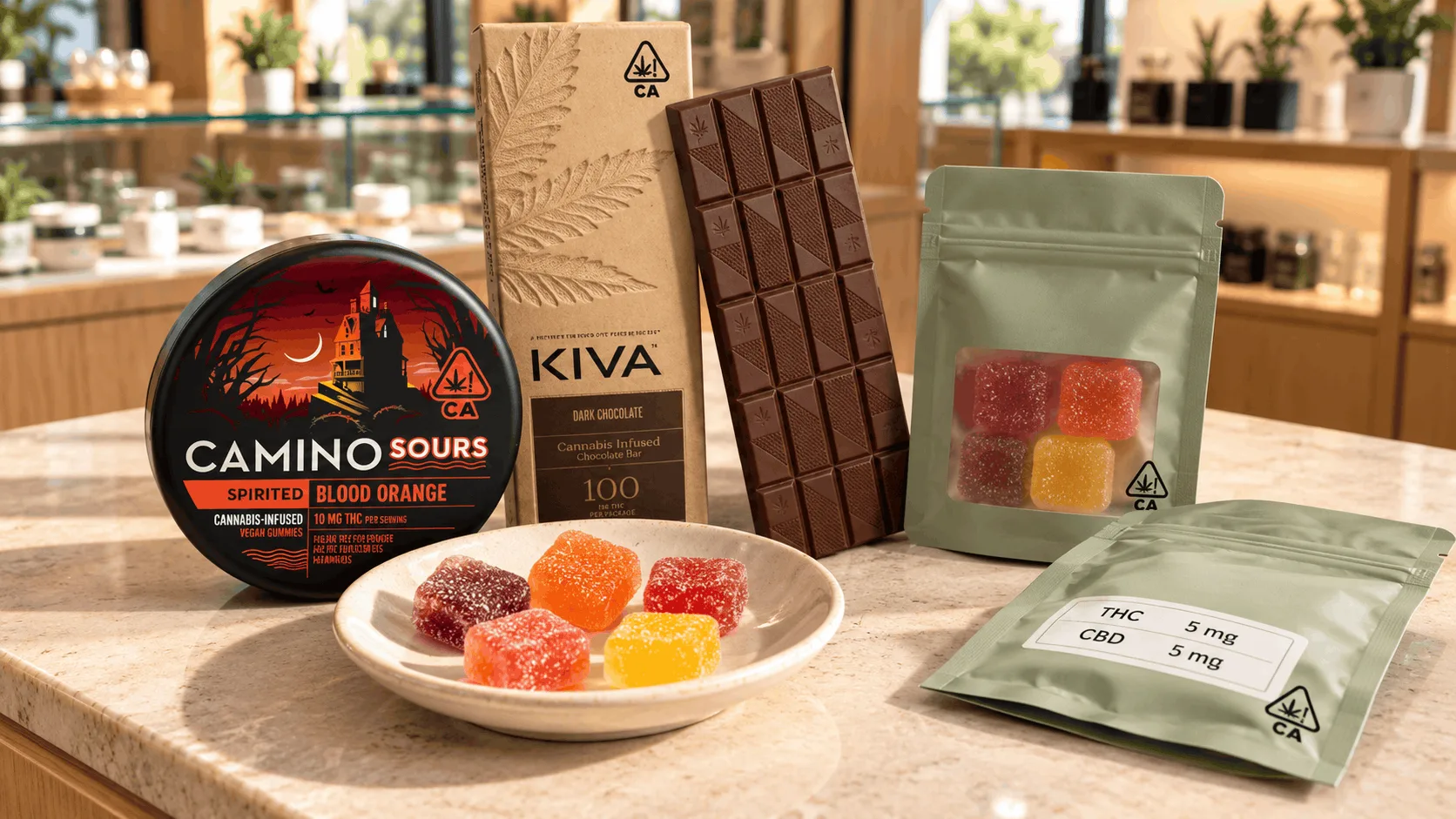
Consistent Dosing for Beginners: How to Understand THC and CBD Edible Labels
Trying cannabis edibles for the first time can feel confusing, especially when packages display different THC amounts, CBD ratios, and serving sizes. One gummy might contain 2.5 mg of THC, while another contains 10 mg. So, how do you know what those numbers actually mean?
Understanding consistent dosing for beginners starts with reading edible labels correctly. The amount of THC or CBD in a single serving isn't always the same as the total amount in the package, and overlooking that difference can lead to unintended consumption.
Whether you're researching gummies, chocolates, or tinctures, learning how potency labels work can help you make more informed decisions and reduce the risk of consuming more than intended.
TL;DR – Quick Guide
- Check THC per serving: Always distinguish the amount of THC in one serving from the total THC in the package.
- Understand CBD content: CBD is not intoxicating like THC, but it can still cause side effects and interact with medications.
- Start with caution: For adults who choose to consume THC, a low amount such as 2.5 mg or less is commonly recommended as a cautious starting point.
- Allow enough time: Edible effects may take 30 minutes to 2 hours to begin and sometimes longer to reach full intensity.
- Read the entire label: Check serving sizes, cannabinoid amounts, ingredients, warnings, and expiration information.
- Avoid accidental overconsumption: Don't take additional servings simply because the first one hasn't produced noticeable effects.
- Learn about product types: The guide to best edibles for beginners explains common edible formats and beginner considerations.
Detailed Breakdown
What Does Consistent Dosing Mean for Cannabis Beginners?
Consistent dosing for beginners means understanding and tracking the amount of THC or CBD consumed, rather than guessing based on the size of a gummy or chocolate.
Cannabis edibles vary in potency, and two products that look nearly identical may contain very different cannabinoid amounts.
For example:
- One gummy may contain 2.5 mg THC.
- Another gummy may contain 5 mg THC.
- A stronger gummy may contain 10 mg THC.
The physical size of an edible doesn't reliably indicate its potency.
For beginners, reading the labeled milligrams per serving is more useful than judging the product by appearance.
How to Read THC and CBD Edible Labels
Cannabis edible labels generally provide several important pieces of information.
1. THC Per Serving
THC, or tetrahydrocannabinol, is the primary intoxicating compound in cannabis.
The THC amount listed per serving indicates how much THC is intended to be consumed in one labeled portion.
For example, a package containing ten gummies with 5 mg THC each provides:
- THC per gummy: 5 mg
- Number of gummies: 10
- Total THC: 50 mg
Confusing the package total with the serving amount is a common labeling mistake.
2. CBD Per Serving
CBD, or cannabidiol, is another cannabinoid found in cannabis.
Unlike THC, CBD generally doesn't produce the same intoxicating effects, although it can cause side effects and interact with certain medications.
A product might contain 5 mg THC and 10 mg CBD per serving.
To better understand the differences between these compounds, explore the CBD vs THC guide.
3. Total Package Potency
The total package potency represents the combined cannabinoid content across all servings.
Here's a simple example:
Label Information | Example |
|---|---|
Gummies per package | $10 |
THC per gummy | 5 mg |
CBD per gummy | 5 mg |
Total THC | 50 mg |
Total CBD | 50 mg |
This distinction is essential for consistent dosing for beginners, especially when a package contains multiple servings.
4. THC-to-CBD Ratios
Some cannabis products display ratios such as 1:1, 2:1, or 10:1.
These ratios describe the relative amounts of cannabinoids, but the order matters.
For example, a product labeled 1:1 THC contains equal amounts of both cannabinoids. A product labeled 2:1 CBD contains twice as much CBD as THC.
Always check the actual milligrams and which cannabinoid appears first, rather than relying on the ratio alone.
What Is a Low THC Amount for Beginners?
People respond differently to THC depending on individual sensitivity, previous exposure, medications, and other factors.
For adults who choose to use THC edibles, public-health guidance commonly recommends beginning with a low amount, such as 2.5 mg THC or less.
The following table is an educational comparison, not a personalized dosing recommendation.
THC Amount | General Consideration |
|---|---|
1–2.5 mg | Low amount commonly discussed for cautious beginners |
5 mg | May produce noticeable intoxication, especially with low tolerance |
10 mg | Can cause strong or uncomfortable effects in inexperienced consumers |
20 mg+ | Higher risk of significant impairment and unwanted effects |
Even small amounts can affect individuals differently.
People taking medications, managing health conditions, or uncertain about cannabis interactions should consult a qualified healthcare professional before using THC or CBD products.
Why Edible Timing Matters for Consistent Dosing
One of the biggest challenges with consistent dosing for beginners is understanding how long edible effects take to appear.
Unlike inhaled cannabis, edibles pass through the digestive system before cannabinoids are absorbed and processed.
As a result:
- Effects may begin within 30 minutes to 2 hours.
- Full effects may take up to 4 hours.
- Intoxicating effects can last 6–8 hours or longer.
- Residual impairment may continue beyond the main effects.
Taking another serving too soon can lead to unexpectedly intense effects.
For a more detailed explanation of timing, the guide on how long THC gummies last covers onset, duration, and factors affecting the experience.
Gummies, Chocolates, and Tinctures: Do Labels Work the Same Way?
Different cannabis product formats may display cannabinoid amounts differently.
Gummies and chocolates usually list cannabinoid content per piece or serving.
Tinctures may display cannabinoid concentration per milliliter, serving, or bottle, making accurate measurement particularly important.
Product Type | Common Label Information |
|---|---|
Gummies | THC/CBD per gummy and package |
Chocolates | THC/CBD per piece or serving |
Tinctures | THC/CBD per measured volume |
Beverages | THC/CBD per serving and container |
Liquid products require particular attention because the amount consumed depends on the measured volume.
For additional context, MedLeaf's cannabis tincture guide explains how tinctures differ from traditional edible products.
Common Edible Labeling Mistakes Beginners Should Avoid
Even clearly labeled products can be misunderstood.
Here are five mistakes worth avoiding:
- Confusing serving and package totals: A package containing 100 mg THC doesn't necessarily contain 100 mg in each piece.
- Ignoring THC-to-CBD ratios: Ratios don't replace the need to check actual milligrams.
- Assuming all gummies have equal potency: Cannabinoid content varies significantly across products.
- Taking more before effects fully develop: Delayed onset increases the risk of accidental overconsumption.
- Overlooking product warnings: Ingredient information, allergens, expiration dates, and required warnings all matter.
Products from established edible brands may use different serving formats and cannabinoid combinations.
For example, the Kiva edibles guide explores a recognizable cannabis edible brand and its product varieties.
How to Compare Cannabis Edible Labels Before Purchasing
Understanding consistent dosing for beginners also involves comparing product labels before making a decision.
A useful checklist includes:
- THC and CBD milligrams per serving
- Total cannabinoid content per package
- Number of servings
- THC-to-CBD ratio, if applicable
- Ingredients and allergen information
- Batch identification and required testing details
- Storage instructions and expiration information
California cannabis edibles sold through licensed retailers must comply with applicable packaging and labeling requirements.
Consumers should also keep cannabis products securely stored, away from children and pets, and avoid driving or operating machinery while impaired.
Adults researching available edible formats can explore MedLeaf's weed edibles delivery guide for information about gummies, chocolates, and other products.
Key Takeaways
- Read the serving size: Consistent dosing for beginners starts with knowing how much THC or CBD is contained in each serving.
- Check total potency: The package total may represent several servings rather than one.
- Understand THC and CBD: THC is intoxicating, while CBD has different effects and potential medication interactions.
- Know your ratios: A 1:1 or 2:1 label only makes sense when you know which cannabinoid comes first.
- Be cautious with THC: Even relatively low amounts can cause impairment or unwanted effects.
- Respect delayed onset: Edibles may take hours to reach their full effects, making premature additional consumption risky.
- Compare product formats: Gummies, chocolates, beverages, and tinctures may use different serving measurements.
- Prioritize safety: Review product warnings, avoid mixing intoxicants, and store cannabis securely.
Understanding consistent dosing for beginners isn't about finding the strongest product. It's about recognizing what the label actually says, understanding how serving sizes work, and reducing avoidable risks.
For eligible adults researching cannabis products in San Diego, MedLeaf Delivery provides an online catalog where available edible products and their descriptions can be reviewed.
Frequently Asked Questions (FAQs)
1. What does consistent dosing for beginners mean?
Consistent dosing for beginners means understanding and tracking the amount of THC or CBD consumed using the product's labeled serving information. It involves checking cannabinoid content rather than estimating potency from the size or appearance of an edible. Because individual responses vary, consistent measurements don't guarantee identical effects every time.
2. How much THC is considered a low amount for beginners?
An amount of 2.5 mg THC or less is commonly described in public-health guidance as a cautious starting point for adults who choose to consume cannabis. Even that amount can produce noticeable effects in some individuals. People with health concerns or medication interactions should seek professional medical guidance before using cannabis.
3. What is the difference between THC per serving and total THC?
THC per serving indicates the amount contained in one labeled portion of an edible. Total THC represents the combined THC content across the entire package. For example, ten gummies containing 5 mg THC each provide 50 mg THC in total.
4. How long should beginners wait for THC edibles to take effect?
THC edibles may begin producing effects within 30 minutes to 2 hours, although onset varies. Full effects can take up to 4 hours, depending on the product and individual factors. Taking additional servings before the effects develop can increase the risk of unintended overconsumption.
5. Are CBD edibles safer than THC edibles for beginners?
CBD generally doesn't cause the same intoxicating effects as THC, but that doesn't make every CBD product risk-free. CBD can cause side effects and interact with medications, while product quality and labeling accuracy also matter. Beginners should review the label carefully and consult a healthcare professional when appropriate.
More from November 2026
Order weed delivery near you
MedLeaf delivers licensed, lab-tested cannabis across North County San Diego and Southwest Riverside County. Pick your city to see local delivery details, or browse the live menu.
- Weed delivery in Oceanside
- Weed delivery in Carlsbad
- Weed delivery in Encinitas
- Weed delivery in San Marcos
- Weed delivery in Vista
- Weed delivery in Escondido
- Weed delivery in Fallbrook
- Weed delivery in Bonsall
- Weed delivery in Temecula
- Weed delivery in Murrieta
- Weed delivery in Solana Beach
- Weed delivery in Del Mar
- Weed delivery in Poway